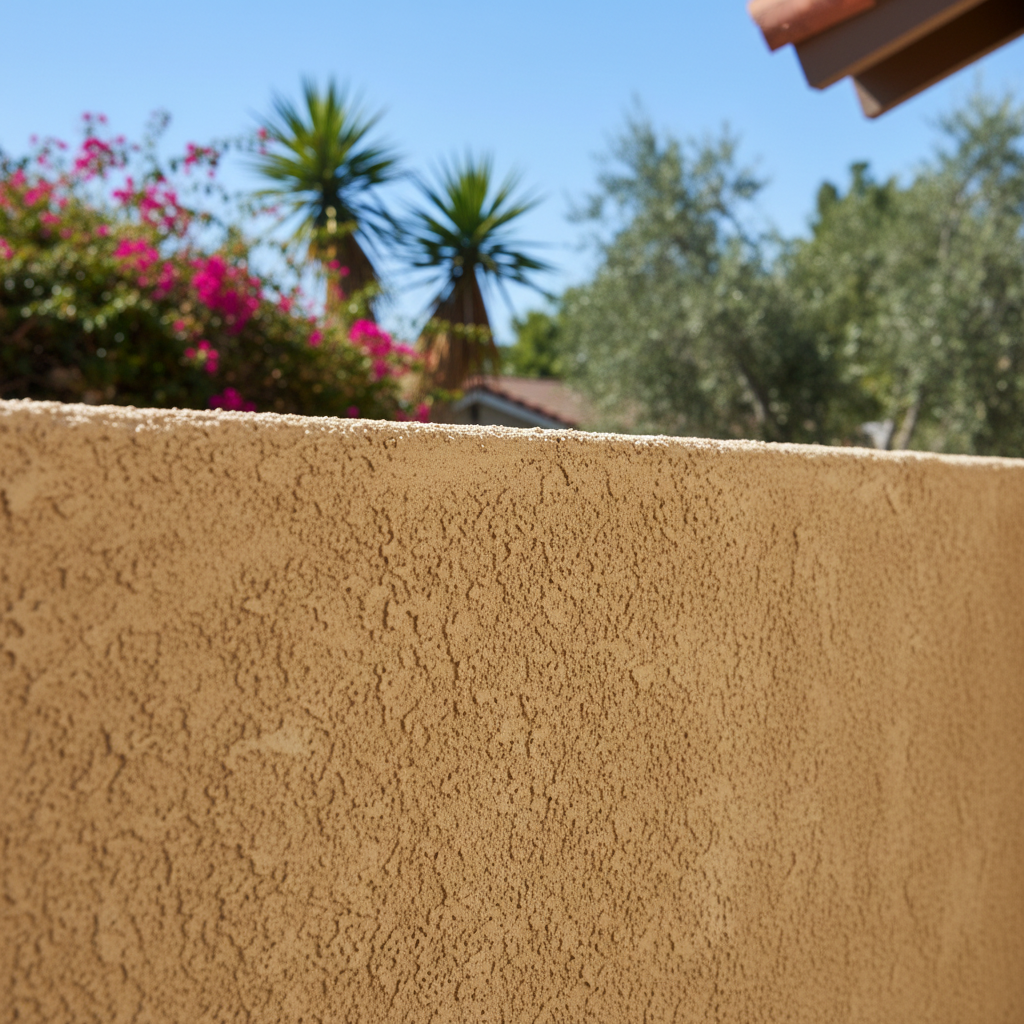
Alright, let's talk about stucco redashing. Homeowners all over Los Angeles — from the beach cities right up to the Valley — often ask me what this process actually involves. It's not always clear, and let's be honest, there's a lot of confusing jargon out there. So, I'm going to break down the most common questions I hear, giving you honest answers straight from someone who's been doing this kind of work for years. What a job, huh?
What exactly is stucco redashing, and how is it different from a full re-stucco?
This is probably the most common question I get, and it's a great place to start. When we talk about "redashing" or "resurfacing" stucco, we're basically putting a fresh finish coat right over your existing, solid stucco. Imagine giving your house a brand-new skin without tearing everything down. We clean the old surface, fix up any small cracks or flaws, and then put on that new layer of finish.
A full re-stucco, on the other hand, is a much bigger project. That's when we take off all the old stucco, sometimes right down to the lath and paper, and then apply all three coats from scratch: the scratch coat, the brown coat, and finally the finish coat. You'd go for a full re-stucco if your existing stucco is really damaged, has big cracks, or if there's significant water getting in or structural problems underneath. Redashing is about making things look fresh and adding some protection; a full re-stucco is a complete overhaul.
How do I know if my stucco needs redashing or a full replacement?
This is where having an experienced eye really helps. If your stucco just looks tired, faded, or has a bunch of minor surface cracks – we call those hairline cracks – then redashing is usually a good bet. Maybe you don't like the texture anymore, or it's just gotten dirty over the years, and power washing isn't doing the trick. If the underlying structure is sound, a fresh dash coat can make it look brand new.
Now, if you've got big, spiderweb cracks, sections that are crumbling or falling off, or if you can see signs of water intrusion like efflorescence (those white powdery deposits) or mold, that's a different story entirely. Those are big red flags pointing to deeper issues, and in those cases, a full replacement or remediation might be necessary to get to the root of the problem. We always start with a thorough inspection, you know, to really figure out what's going on beneath the surface.
What kind of preparation is involved before redashing?
Preparation is absolutely crucial for a redash that lasts, and don't let anyone tell you otherwise. First, we'll give your existing stucco a really good cleaning. This usually means power washing to get rid of dirt, grime, loose paint, and any mildew. You need a clean, solid surface for the new material to stick to properly.
Then, we'll take care of any minor cracks or imperfections in the old stucco. We're talking about filling hairline cracks and patching small chips. If there are bigger structural problems, we'd talk about those before moving ahead with a redash, because putting a new coat over a compromised base is just asking for trouble down the road. We might also put on a bonding agent to make sure the new finish adheres perfectly.
How long will a redashed stucco finish last?
If it's done right with quality materials and proper prep, a redashed stucco finish should last you a good 15 to 25 years, sometimes even longer. It really depends on the quality of the original stucco underneath, the materials used for the redash, and how well it's maintained. Here in Los Angeles, our intense sun can fade colors over time, so using UV-resistant materials is a smart move.
Regular cleaning with a soft wash is usually all it takes to keep it looking fresh. Stucco itself can last 50 to 80 years, or even more with good care, so redashing extends that lifespan by protecting the existing layers.
Can I change the color and texture of my stucco when redashing?
Absolutely! This is one of the big advantages of redashing, actually. It's a fantastic way to update your home's curb appeal and give it a whole new look without the expense and disruption of a full tear-off.
You can choose from a wide range of colors and textures. Whether you're looking for a smooth Santa Barbara finish, a classic sand finish, or something with a bit more dash, we can make it happen. We'll even provide samples so you can see how they look in the bright California sunshine before making a final decision.
Do I need a permit for stucco redashing in Los Angeles?
This can get a little tricky because it depends on how much work is involved. Generally, for cosmetic redashing that's just putting a new finish coat over sound existing stucco and fixing minor cracks, you typically do NOT need a building permit in Los Angeles.
However, if the work involves taking off and replacing the weather-resistant barrier, making structural repairs, or if cracks are bigger than 1/16th of an inch, then you likely WILL need a permit and a plan check from the Los Angeles Department of Building and Safety (LADBS). It's always best to check with your contractor and the local building department to be sure, especially if you're in a specific zone like a coastal area or a historic district, which might have additional requirements. Better safe than sorry, right?
How much does stucco redashing cost in Los Angeles?
The cost for stucco redashing can vary quite a bit depending on your home's size, how complex the job is, the type of finish you pick, and how much prep work is needed. For a full exterior stucco re-coat (which is basically redashing) on a 2,000 square foot home, you're typically looking at anywhere from $8,000 to $15,000 in standard Los Angeles locations. If your home is in a coastal area, you might see costs run about 20% higher because of requirements for salt-resistant materials and more frequent inspections.
Keep in mind that smooth finishes, like a Santa Barbara finish, require a lot more labor and skill than a sand or dash finish, so they can cost 30-60% more. At Precision Stucco Los Angeles, we always give you a detailed estimate after checking out your specific property, so you know exactly what to expect.
How long does a redashing project typically take?
The timeline for a redashing job can vary a bit depending on your home's size, how much prep work is needed, and, of course, the weather. Generally, for an average-sized single-family home here in LA, you're usually looking at anywhere from 3 to 7 days. That includes the crucial prep work – cleaning the existing stucco, making minor repairs, masking off windows and doors, and putting on any bonding agents. Then comes the actual application of the new finish coat, and finally, cleanup. We always aim to work efficiently without cutting corners, because a good job takes the right amount of time.